Updates & Announcements
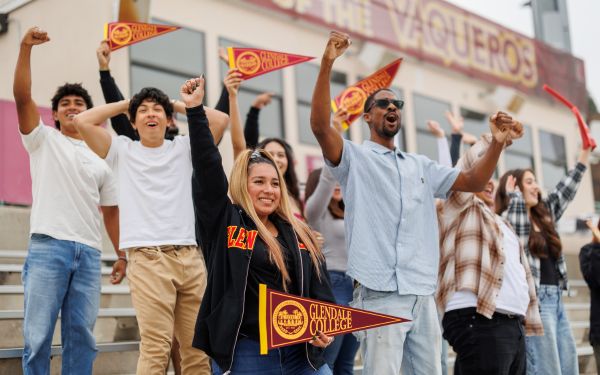
Come Out to Support GCC Athletics!
Our GCC student-athletes are hard at work competing in fall sports including baseball, soccer, cross country, football, and basketball. GCC Music Faculty Recital
Get excited for the Fall 2026 performances! Check out the music performances dates and location! Fall 2026 Late Start Classes
It's not too late! Register for Fall 2026 late start classes! Apply for a fee waiver to help pay for your classes. 8-Week Classes at GCC
8-week classes can help you stay on track with a flexible schedule!
Our GCC student-athletes are hard at work competing in fall sports including baseball, soccer, cross country, football, and basketball. GCC Music Faculty Recital
Get excited for the Fall 2026 performances! Check out the music performances dates and location! Fall 2026 Late Start Classes
It's not too late! Register for Fall 2026 late start classes! Apply for a fee waiver to help pay for your classes. 8-Week Classes at GCC
8-week classes can help you stay on track with a flexible schedule!
Info For
Financial Aid & Fees
Get Ready for Your First Semester
Get Help
Flexible Options for All
Academic Support
Resources for Your Classes
Enrichment Programs
Learning Support
Health, Safety & Wellness
Get Involved
Events
Around Campus
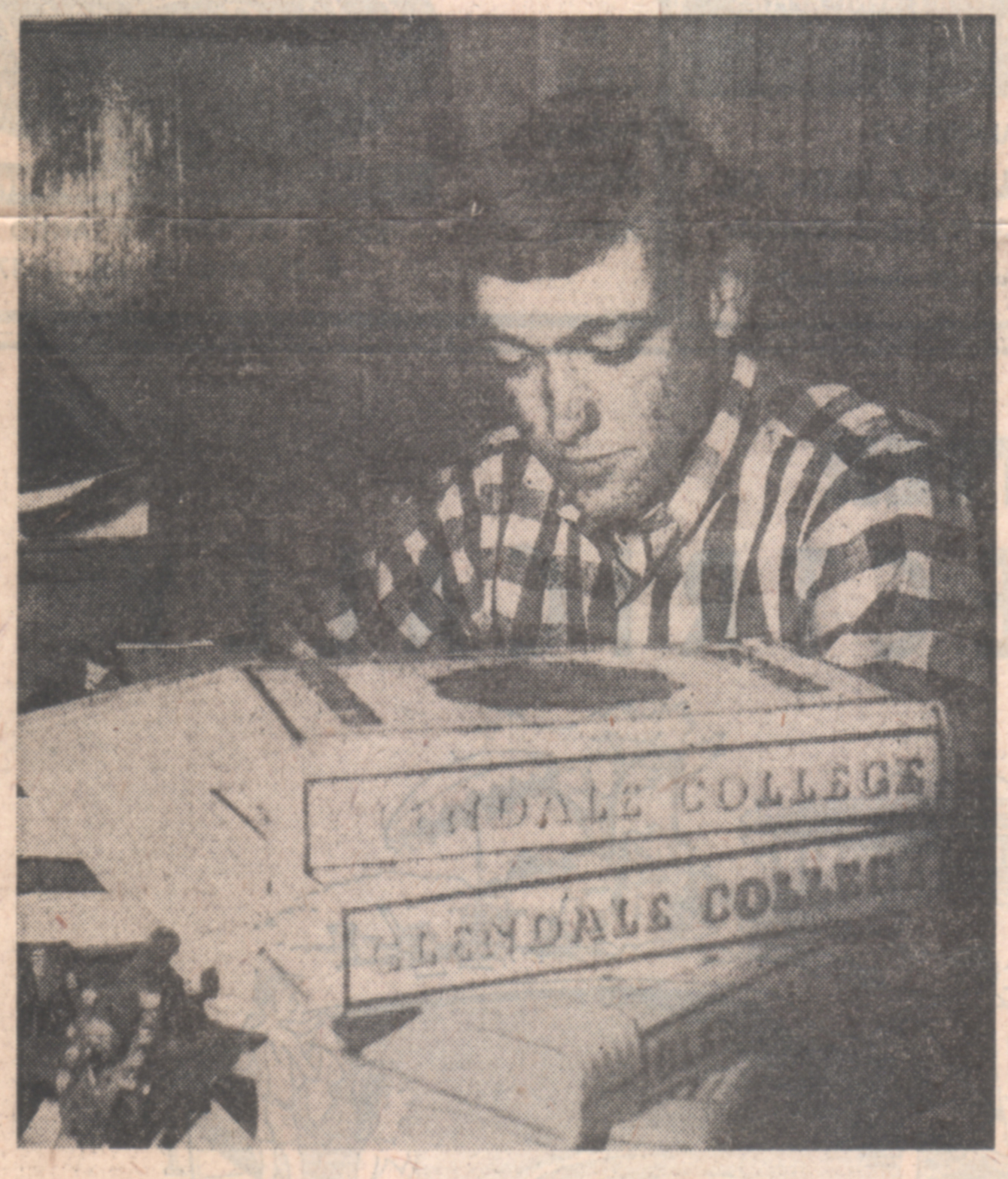 Dickinson was a first-generation college student; both his father and grandfather
had been linemen for the Los Angeles Department of Water & Power. Although that provided
their family with a measure of stability, Paul’s father believed that a college education
would be necessary for his son if he wanted to achieve a better life. “It seemed like
he was nagging at the time,” Paul remembered, “but he turned out to be so right. I
look back on my two years at Glendale College as the turning point in my adult life.”
Dickinson was a first-generation college student; both his father and grandfather
had been linemen for the Los Angeles Department of Water & Power. Although that provided
their family with a measure of stability, Paul’s father believed that a college education
would be necessary for his son if he wanted to achieve a better life. “It seemed like
he was nagging at the time,” Paul remembered, “but he turned out to be so right. I
look back on my two years at Glendale College as the turning point in my adult life.” “Then my wife said to me, ‘You’re always talking about what Glendale College did for
you.’ I got to thinking about it and told her, ‘You know, you’re right,’” Paul explained,
“so we decided to do something like that for Glendale.”
“Then my wife said to me, ‘You’re always talking about what Glendale College did for
you.’ I got to thinking about it and told her, ‘You know, you’re right,’” Paul explained,
“so we decided to do something like that for Glendale.”