Welcome to GCC's redesigned website! Take a look around and enjoy what’s new. Have feedback? Tell us what you think—complete
our quick feedback form.Share your feedback!
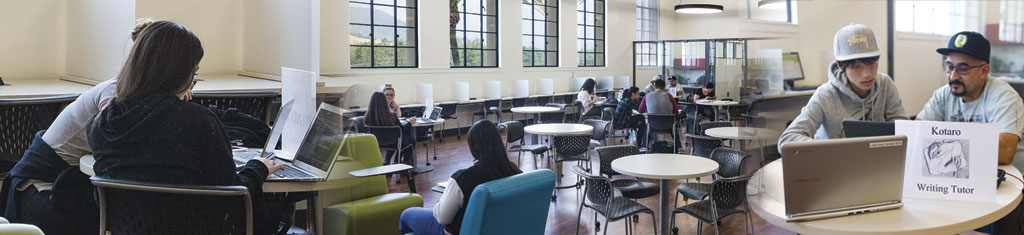
The Learning Center's Embedded Tutoring Program provides faculty with the opportunity
to integrate a student tutor seamlessly into their course, providing just-in-time
support for their students. Embedded tutors are trained through the Learning Center
and mentored by their instructors to provide academic support for the students in
the instructor's sections. While they are not TAs who can help with grading, fetch
laundry from the dry cleaners, or assume teaching responsibilities, embedded tutors
provide synchronous and/or asynchronous tutoring and mentorship to students in your
sections. It does require a time commitment on the part of the faculty mentor and
the tutor, but survey data indicate faculty, tutors, and students value the program.
Usually, faculty find a prospective candidate from one of their classes. You want a compassionate, capable student who has the time, inclination, and interest
to take on this work. Don't just look for A+ students; star students aren't always
the best tutors. Some of our best tutors have been B+ students who care about learning
and know how to engage peers in conversation! Most importantly, can you see yourself
working with this student? This will be a close mentorship.
Winter 2026:Returning Tutors Only (No New Hires) Faculty must submit the Declaration of Interest below by Friday, November 21st)
Spring 2026: NEW and Returning Tutors Faculty submit the Declaration of Interest below & NEW Tutors submit the Embedded
Tutor Application below by Friday, November 28th)
Returning tutors do not need to reapply but we need a declaration of interest for each term a tutor will be employed!
A tutor’s primary objective is to engage in a genuine dialog with students in which
each party contributes meaningfully and equally to a mutually enriching conversation
that challenges both the tutor and tutee to negotiate – on a regular basis – their
understanding of each other’s expectations and goals and the outcomes of their collaboration.
In this process, the tutor empowers the tutee to become an independent learner. This
requires flexibility, creativity, and an appreciation for the benefits and potential
outcomes of conflicting opinions. In short, tutors do not grade, proofread, or edit
papers or homework; they enable maturing learners to make informed decisions about
their own work.
Of course, common sense prevails here. The tutors may not do work for which you are
being compensated (i.e. lecture, grading, etc.). They are not permitted to run errands
for you; keep or access confidential student records, such as gradebooks, attendance
rosters, or personal emails; and they cannot conduct formal evaluative or administrative
functions not sanctioned by the college, such as student evaluation oversight.
Why should I host an embedded tutor in my classroom?
Secure a teaching partner who can help both during and after class
Mentor an aspiring or budding professional
Provide extra support to those students who need or want it
Save time and energy by capitalizing on the support an embedded tutor can provide
What are the benefits for those who choose to tutor?
A part-time job ($16.50/hr) that fits into your schedule and prioritizes your studies
Practice in the subject area or skill (one learns by teaching)
Valuable experience working with people (and a great entry for their resumes and college
applications)
How will this help students?
Achieve higher retention and success rates
Provide models of proximal ability and potential
Foster a culture of learning through ancillary resources
Develop a more nuanced understanding of how students relate to large institutions
where many of them have been historically underrepresented
Empower students with options and alternate routes to success
What are the requirements?
The Learning Center requires all tutors be enrolled GCC students who meet certain
criteria:
Have at least a 3.0 GPA (to ensure that tutoring does not compromise their educational
pursuits)
Be recommended by an instructor
Receive an A/B in classes they wish to tutor
Observe one to two tutoring sessions
Be observed for a tutoring session
Complete a tutor training program
Why are prospective tutors required to complete a tutor training seminar?
Even though students may have mastered a specific subject area, they will still need
to develop other skills to ensure they will be effective tutors. The seminar (most
of which is online) will teach tutors the following:
How to promote independent learning and set boundaries with students
How to be respectful of individual differences within students (including cultural)
How to recognize learning styles & possible learning obstacles and strategies to address
those
How to motivate students
How to help students manage complex assignments
How to listen well and prioritize
Content-specific tips (for tutoring writing or math or science)
Business/work protocols and how to work in a team environment